One day at a time - why I built NoGamble
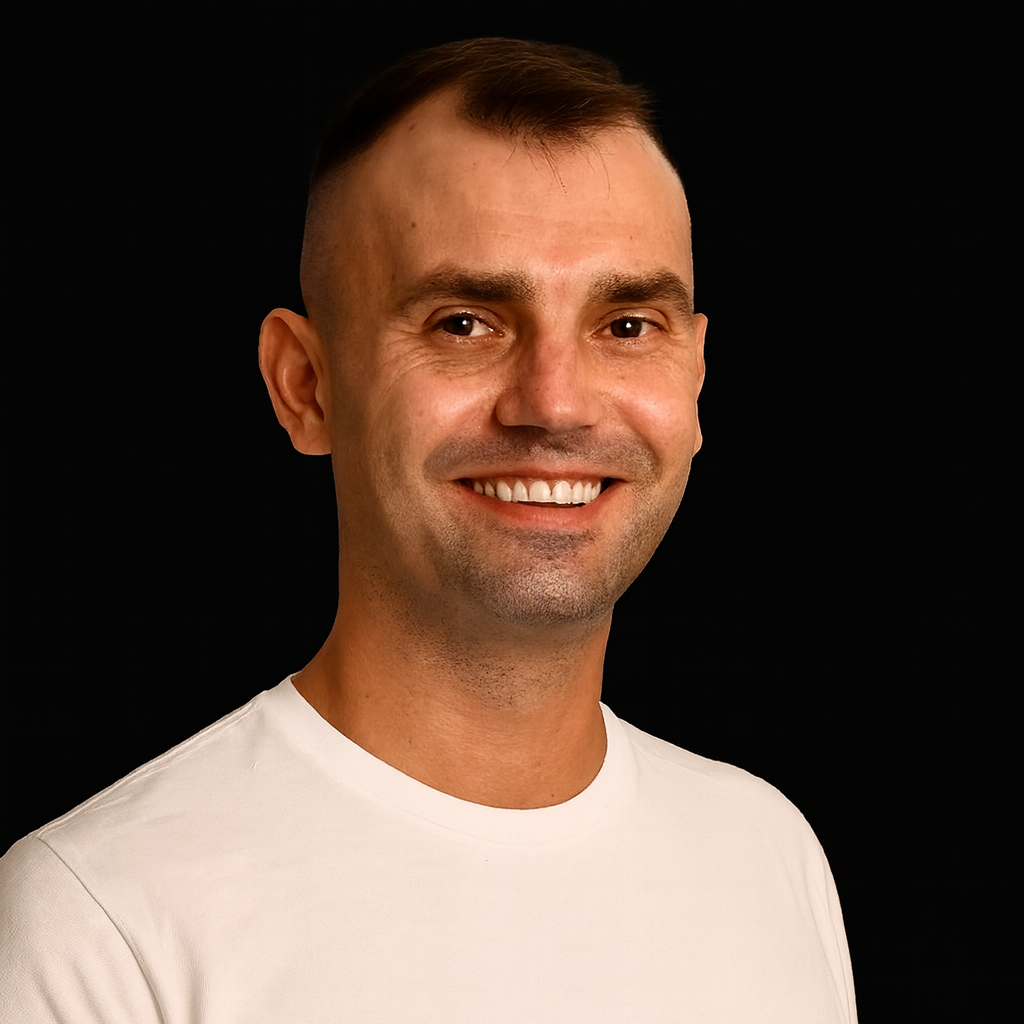
My name is Wojciech. I built NoGamble because I know the rush, the lie of "last time," and the quiet crash that follows. This is my story - honest, imperfect, and still in progress.
I was twelve or thirteen when I first discovered the strange electricity of gambling. My mother would give me money for lunches at school. I spent it on lottery tickets. Within a few months I had a stack of paper that felt heavier than it looked. I kept those tickets in a neat pile as if I were building some kind of evidence that my instincts were right. I even printed the official rules of the lottery and read them like a textbook. If there were a system to be found, I intended to find it. A small early win convinced me that a bigger one was inevitable, and that belief was the spark that kept catching.
I did not tell anyone. Outwardly I was a normal kid from a normal house. Inwardly I was already bargaining with chance, rehearsing the next purchase, rehearsing the next confession I would not make. The secrecy felt like control at first. It took years to see that secrecy is not control at all. It is the beginning of isolation.
Adulthood arrived and brought with it the messy parts of life: work projects that spiraled, family tension that I did not know how to hold, and the quieter fear that I might not be the person I hoped to be. Online gambling was always there, just a tap away, with the promise that the present moment could be replaced by a different one. Poker, sports betting, online casinos – a whole universe of near misses and almost wins. It offered silence when my head was loud. It offered a goal when my days were shapeless. It felt like relief, which is why it was so persuasive.
At my worst I ran on a loop that now seems impossible: long nights blending into longer mornings, screens replacing sleep, quick food replacing meals, the occasional drink to smooth the edges. I told myself that I was learning something the house did not know. I told myself that I was one disciplined session away from turning everything around. But the sessions were never singular. They multiplied. The losses were not only financial. They were hours that I cannot return and promises that I could not keep.
I have lost large sums, sometimes in a single night – numbers that once took me a year to earn. That is hard to admit. Harder still is the truth that the money was only the visible part of the loss. The invisible part was trust. When people who love you begin to measure your words for hidden compartments, you feel it. You feel it when conversations turn shallow. You feel it when you tell a story and someone you love searches your face to see whether this time you are telling the whole thing. This is what shame does: it narrows the world.
Hiding my gambling divided my life in two. In one life I was the person I wanted to be. In the other I was the person I could not quite escape. Keeping those lives separate took energy that should have gone to work, to rest, to the people I love. The division breeds loneliness and it distorts your sense of what matters. It is possible to be in a room with people who care about you and feel entirely alone. I know that feeling because I have sat in that room.
I tried to stop many times. I went to psychiatrists. I sat in the circle at Gamblers Anonymous and said the words. I learned strategies: call someone when the urge spikes, change your routine, make the first choice of the day a clean one. These things helped. They helped until they did not. When a sudden problem arrived, the old escape route glittered like an exit sign in the dark.
I tried tools as well: app timers, DNS blocks, guardian controls on bank accounts. Each time I found a way around. A determined gambler is an inventive engineer. Coming to terms with that did not make me proud, but it did make me honest. Honesty is the start of any workable plan. When I could finally say, out loud, that pure willpower was not enough for me, I stopped expecting myself to be a machine and began designing supports for a human being.
My family became the reason I turned toward that design. I want to be present for my children. I want to be a partner who answers the question he is asked, and not the question he wishes he had been asked. There is a version of my life that I do not want to miss, and it does not appear on a screen. Recovery for me is not a finish line; it is a road. Some days are smooth. Some are uphill. What matters is the direction of travel.
I have built software for most of my adult life. One day I gave myself a direct assignment: if I can ship products for other people, I can build a tool for the hardest client I have ever met – myself. That was the first draft of NoGamble. It did not begin as a grand solution. It began as a collection of small levers that I could actually pull: a daily check-in that made clean days visible, a counter that translated urges resisted into money not lost, an SOS action that put the right person one tap away, and practical guides to make access more difficult when I needed distance.
The idea was simple: remove as much moral drama as possible and replace it with observable wins. If I would typically gamble twenty dollars today and I do not, then today I gained twenty dollars in future options. That is not a metaphor. That is a measurable change. If I check in five days in a row, that is a streak – not of perfection, but of alignment with who I want to be. When I can see progress, I am more likely to continue it. When I can share that progress with someone I trust, I am more likely to protect it.
What I have learned is that shame cannot carry you very far. It can start the engine but it cannot keep it running. Support does. Routine does. The promise you make to yourself at a reasonable hour and then keep when the unreasonable hour arrives – that is the backbone of recovery. I am not cured. I am in practice. NoGamble is the practice I carry in my pocket.
If you are reading this and parts of it sound like your own story, I want you to know that you are not alone and you are not broken. The pattern you are caught in is not your identity. It is a loop, and loops can be interrupted. Start small and specific. Move the money you might have gambled into a separate place. Tell one person the truth. Put friction between yourself and the thing that pulls you in. Count today as a win if you made one good decision. Count tomorrow if you do it again. Recovery is repetitive on purpose.
NoGamble is free because the help I needed most did not come with a price tag. It came from people who gave time, attention, and honesty. If this tool helps you, I hope you will support it so someone else can use it freely. What I want most is simple: for you to have more clean days this month than last month; for you to hear your own thoughts again; for your family to witness your steadiness; for trust to return, one kept promise at a time.
One day at a time is not the same as one day forever. It means that today is the only day you have to win. Win this one. Then take the next one on its own terms. I built NoGamble to make those wins visible so that you can see what you are already capable of. If you need a person to say this to you directly, consider this that moment: you can do this, and if you stumble, you can begin again. I do it all the time.
This story is not medical advice. If you need help now, please reach out to a professional or a local support group.